
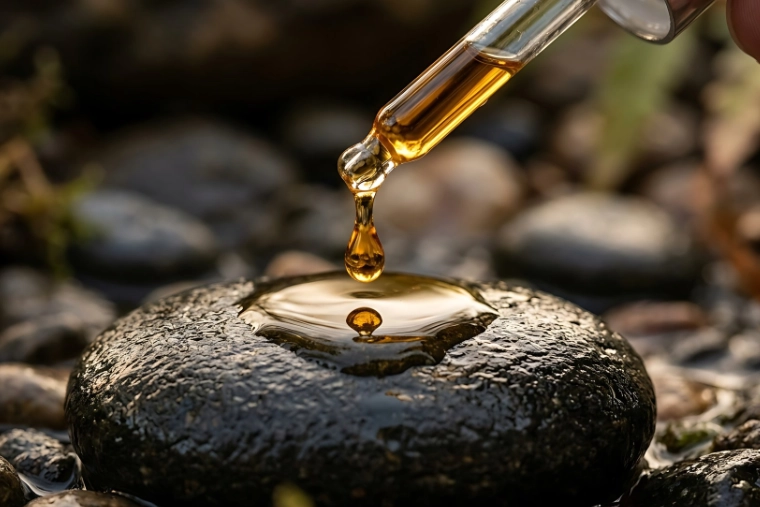
Introduction: The Growing Demand for Bio-Based Plastics
Environmental issues, increased regulation and sustainability criteria are slowly shifting the plastics industry towards the use of renewable raw materials as they shape manufacturing decisions. Most of the traditional plastics are made with the use of petroleum resources that are limited and which generate carbon during their lifetime.
Due to this, manufacturers are considering the use of bio-based alternatives that will allow them to decrease reliance on fossil fuels and maintain the performance of the materials. Castor oil has been identified as a highly industrial raw material that can be used among other renewable resources that are getting attracted.
It is made out of the castor seeds and it consists of naturally occurring fatty acids which can be converted into chemicals involved in the production of polymers. The composition of its chemical structure is distinctive, and thus it is an appropriate raw material in the manufacture of bio-based polyamides, polyurethanes and other polymer intermediates.
Why Is Castor Oil Gaining Attention in the Plastics Industry?
Castor oil is promising in the production of sustainable plastics, which has a number of properties. It has a high concentration level of ricinoleic acid, a hydroxyl functional fatty acid, unlike other vegetable oils. This is the chemical structure that enables the castor oil to react in various chemical reactions thus it is used in the preparation of specialised polymers.
The other significant benefit is that castor oil is an inedible industrial crop oil. Its application in the production of polymer can be used to diversify the renewable feedstock sources, but considerations of responsible agricultural practices and land-use are still necessary.
Castor oil also offers flexibility in chemical processing. It can be converted into polyols, sebacic acid and other chemical intermediates that serve as building blocks for different polymer formulations. These characteristics make it an attractive option for manufacturers looking to incorporate renewable content into their products.
How Castor Oil Is Used in Bio-Based Plastic Manufacturing
Castor oil is not generally converted directly into finished plastic products. Instead, it is processed into chemical intermediates that are subsequently used in polymerisation and formulation processes.
Production of Bio-Based Polyamides (PA11)
One of the most established applications of castor oil in bio-based plastics is the production of polyamide 11 (PA11). This engineering polymer is manufactured using 11-aminoundecanoic acid, which is derived from castor oil through a series of chemical processing steps.
PA11 offers good mechanical strength, flexibility, chemical resistance and dimensional stability. These properties make it suitable for applications where conventional engineering plastics are commonly used. Its renewable origin also makes it relevant to manufacturers seeking to reduce the fossil-based content of their material portfolios.
Castor Oil-Based Polyurethane Production
Castor oil is also used in polyurethane manufacturing because its hydroxyl groups can participate in reactions with isocyanates. Through suitable chemical processing, castor oil-based polyols can be incorporated into polyurethane formulations.
These materials are used in coatings, adhesives, sealants, elastomers and flexible or rigid foams. Their performance depends on the formulation, processing conditions and proportion of renewable ingredients used.
Role of Castor Oil in Polymer Intermediates
Beyond finished polymer applications, castor oil serves as a feedstock for several chemical intermediates. Sebacic acid, for example, is produced through the processing of castor oil and is used in manufacturing polyamides, plasticisers and specialty chemicals. These intermediates expand the possibilities for developing polymers with different mechanical, thermal and chemical properties.
Key Industrial Applications of Castor Oil-Based Plastics
Automotive Industry
Automotive manufacturers are exploring bio-based engineering plastics for components that require durability, flexibility and resistance to chemicals. Castor oil-derived PA11 can be used in fuel lines, pneumatic tubing, cable protection and other specialised automotive components. Its combination of strength and flexibility makes it suitable for applications where reliable material performance is essential.
Electrical and Electronics Industry
In electrical and electronics manufacturing, castor oil-based polymers can be considered for cable insulation, connectors, protective coatings and specialised components. Their electrical properties, thermal stability and mechanical performance depend on the specific polymer grade and application requirements.
Packaging Industry
The packaging industry is also evaluating renewable polymer materials as part of its efforts to reduce fossil-based plastic consumption. Castor oil-derived polymers and polyurethane materials can be incorporated into selected packaging applications, depending on their barrier properties, flexibility and processing requirements.
Textile Industry
Bio-based polyamides offer opportunities in the textiles Industry, industrial fabrics and specialised fibres. PA11, for instance, provides flexibility, abrasion resistance and durability, making it suitable for applications that demand long-lasting material performance.
Consumer Goods Industry
Castor oil-based plastics are finding potential applications in sports equipment, footwear components, household products and other consumer goods. Their material versatility allows manufacturers to explore renewable alternatives across different product categories.
Future Trends in Castor Oil-Based Plastics: What to Expect by 2027
By 2027, the development of bio-based plastics is expected to remain closely linked to renewable feedstock availability, polymer innovation and industrial sustainability targets. Castor oil could become increasingly relevant as manufacturers evaluate alternatives to conventional petrochemical ingredients.
Growing Demand for Renewable Polymer Raw Materials
Demand for renewable polymer feedstocks is being influenced by corporate sustainability commitments, regulatory developments and customer expectations. Manufacturers are increasingly assessing the environmental impact of raw materials alongside their cost, availability and technical suitability. Castor oil offers an established route towards renewable polymer production, particularly in specialised engineering plastics and polyurethane applications.
Innovation in Sustainable Polymer Production
Advancements in chemical processing, polymer formulation and manufacturing technologies are creating opportunities to improve the performance and commercial viability of bio-based plastics. Research is also focused on improving production efficiency, reducing processing waste and increasing the renewable content of polymer formulations. However, the wider adoption of castor oil-based plastics will depend on consistent feedstock supply, competitive pricing and performance requirements across industries.
Conclusion: Castor Oil's Growing Role in Sustainable Plastic Manufacturing
Castor oil is becoming an important renewable feedstock for developing bio-based plastics. The chemical composition of it makes it beneficial to produce PA11, polyurethane materials and a range of valuable polymer intermediates.
Castor oil-based materials offer sustainable alternatives for automotive, electrical, textile, and consumer products. Connect with Modioil Mill to explore quality castor oil solutions and support your shift towards more sustainable, eco-friendly plastic manufacturing.
